What if a hotel suite feels more like home not because you packed more, but because you settled in with intention? It’s natural for an unfamiliar room to feel impersonal at first, and bringing a suitcase full of comfort items can add more hassle than ease. Learning how to make a hotel suite feel like home starts with a few familiar routines and thoughtful choices, not recreating your whole bedroom.
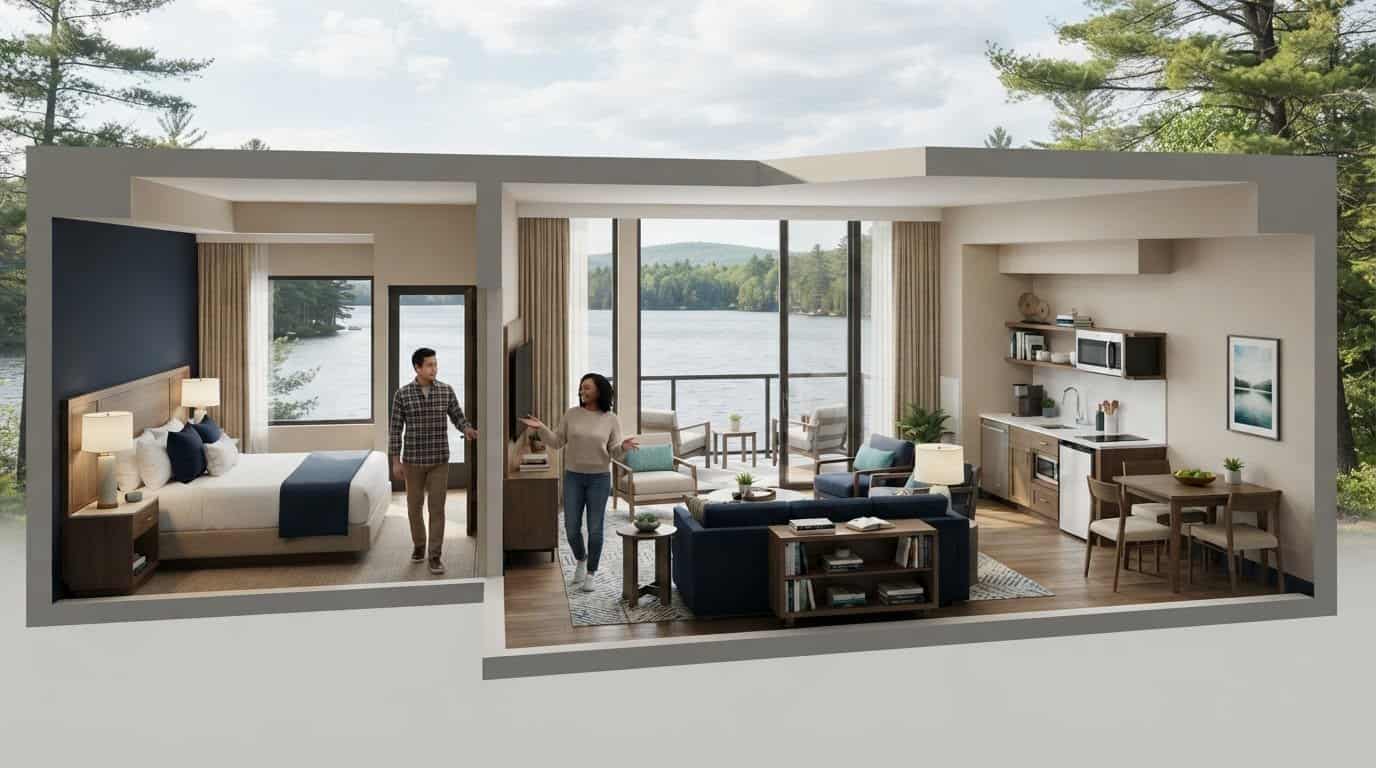
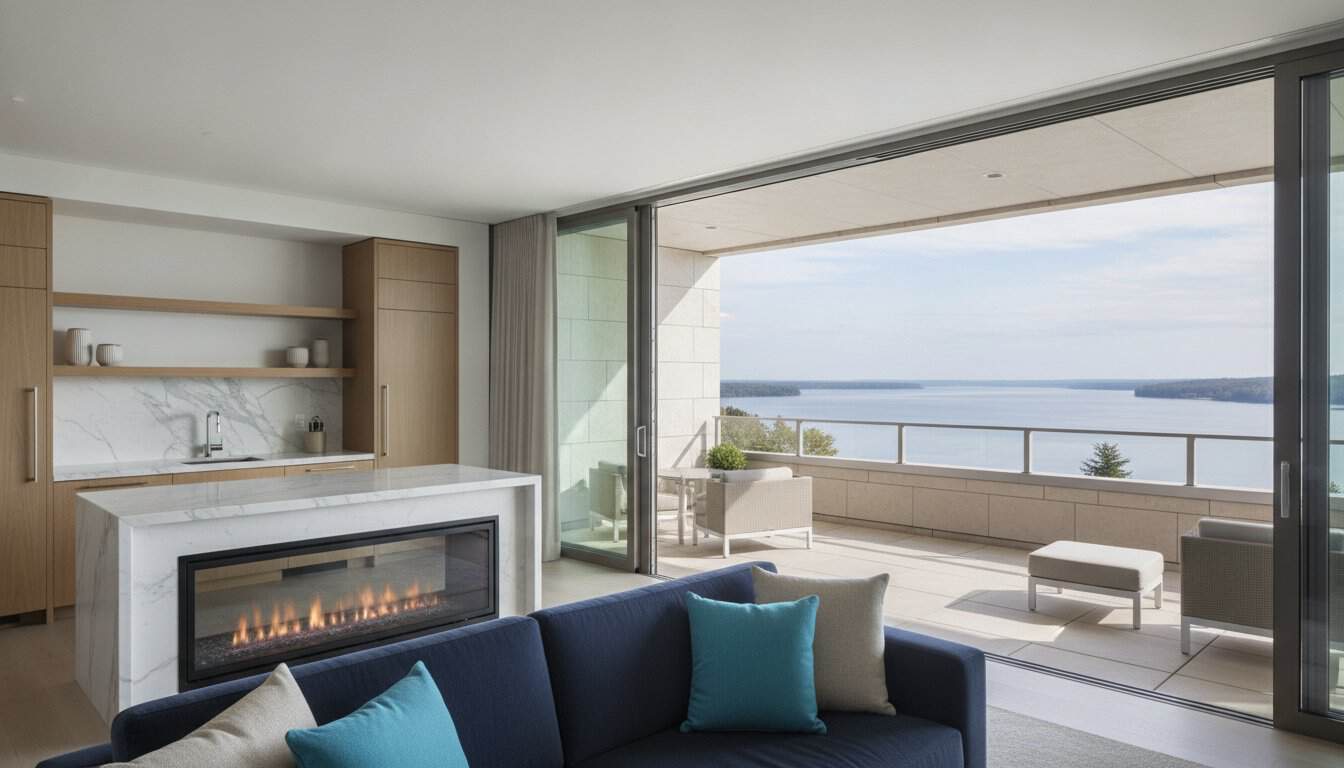
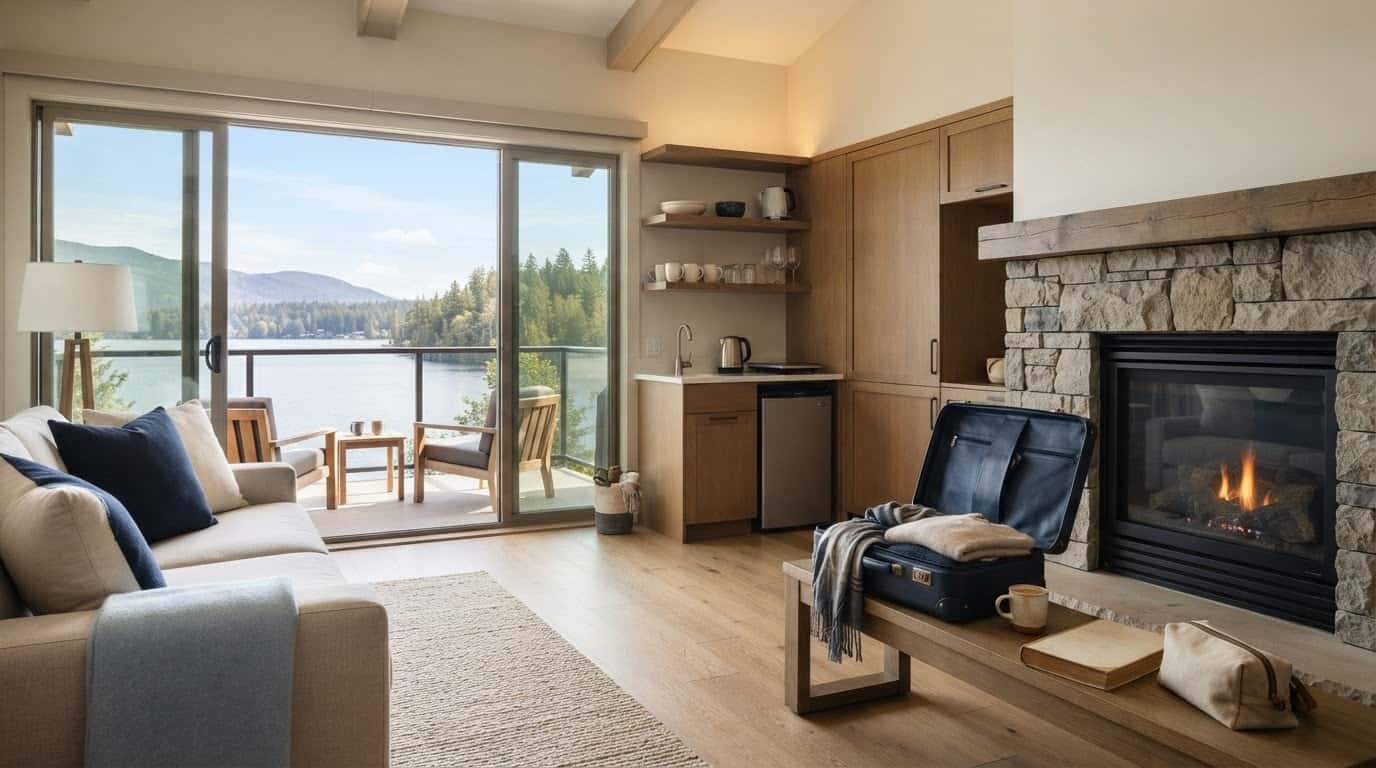
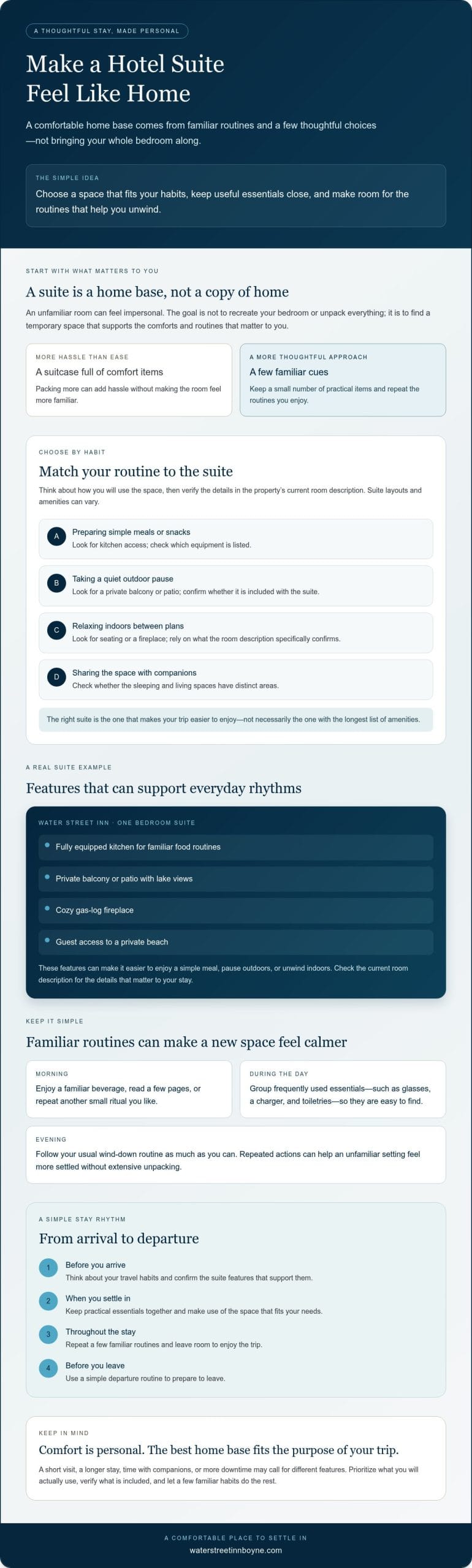
A little space to unwind can help, but suite layouts and amenities vary, so check what’s included before you arrive. A fully equipped kitchen, for example, can make it easier to keep familiar food routines, while a private balcony or patio offers a quiet place to pause. At Water Street Inn, the One Bedroom Suite includes a kitchen, a private balcony or patio with lake views, and a cozy gas-log fireplace.
In this article, you’ll find practical ways to settle in, choose a few useful personal items, and check whether a suite’s features support your everyday rhythms. The aim isn’t to make every hotel stay identical. It’s to create a comfortable home base that leaves room to enjoy your trip.
Key Takeaways
- Think of a home-like suite as a space that supports the comforts and routines that matter to you.
- Match your travel habits to useful suite features, then confirm the details in the property’s current listing.
- Learn how to make a hotel suite feel like home with a few familiar, practical items rather than an overpacked bag.
- Use a simple arrival-to-departure routine to settle in, keep your space comfortable, and prepare to leave.
- Choose a home base that fits the purpose of your trip, while remembering that suite layouts and amenities can vary.
Why a Hotel Suite Can Feel More Like Home Than a Standard Room
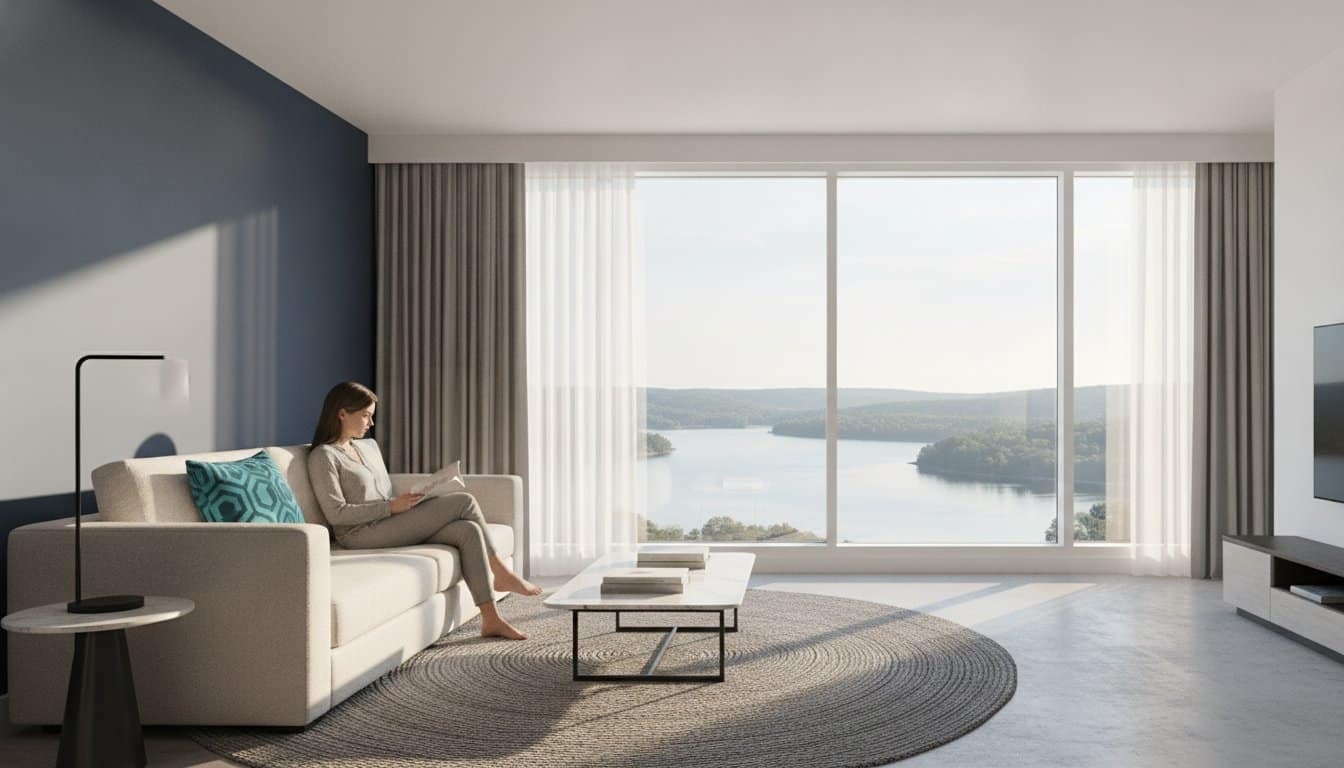
A home-like hotel suite isn’t a copy of your home. It’s a temporary space that gives you room to rest, enjoy privacy, and keep a few familiar routines. An unfamiliar room can feel impersonal because its layout, sounds, and everyday comforts differ from what you’re used to. What helps one traveler feel settled may not matter to another, so start with the comforts that make a difference to you.
A basic overnight setup may meet the need for a place to sleep. Depending on its layout and amenities, a suite may offer more flexibility, with areas for relaxing, eating, or preparing for the day. That extra room can make it easier to shift from travel mode into a comfortable rhythm. The idea of a sense of place helps explain why familiar cues and the way you use a space can shape how connected and at ease you feel there.
For a visual look at how thoughtful use of space can change a hotel room, watch this video:
Which everyday routines help a new space feel familiar?
Keep it simple. Begin the morning with a familiar beverage, a few pages of a book, or another small ritual you enjoy. Group frequently used essentials, such as your glasses, charger, and toiletries, so they’re easy to find. In the evening, follow your usual wind-down routine as much as you can. These repeated actions can make an unfamiliar setting feel calmer without requiring much unpacking.
What makes a suite different from a room designed only for sleeping?
Depending on its design, a suite may make it easier to separate downtime from sleep or enjoy a meal without using the bed as a table. But the word “suite” doesn’t guarantee a particular layout or feature. Before booking, check the property’s current room description for details about kitchen access, seating, and outdoor space.
At Water Street Inn, the One Bedroom Suite has a fully equipped kitchen, a private balcony or patio with lake views, and a cozy gas-log fireplace. These features can support simple meal routines and restful moments, and guests also have access to a private beach. You don’t need to decorate extensively, unpack everything, or rearrange the room to feel at ease. A few familiar habits, paired with a space that suits your needs, can be enough.
Choose a Hotel Suite That Fits Your Habits and Comfort Needs
The right suite is the one that makes your trip easier to enjoy, not the one with the longest list of amenities. Start by thinking about how you’ll use the space. A short visit with little time indoors may call for different features than a longer stay, a trip with companions, or days with more downtime. Consider what you’ll actually do in the suite, then compare its listed features with those needs.
A functional, personal environment can contribute to a sense of well-being, as explored in The Science of Home. Use that idea as a practical guide: prioritize features that support your comfort and routines, and treat the rest as optional.
Which suite features support familiar daily routines?
Use your habits to guide the search. If you like preparing a simple breakfast or keeping snacks close, look for a kitchen and check the description for listed equipment. A private balcony or patio may offer a quiet place to sit outdoors, while a fireplace can add ambience if the property confirms one. Treat these as features to verify, not standard amenities to assume.
| Travel habit | Feature to look for | What to verify |
|---|---|---|
| Preparing simple meals or snacks | Kitchen access | Which equipment is listed |
| Taking a quiet outdoor pause | Private balcony or patio | Whether outdoor space is included with the suite |
| Relaxing indoors between plans | Seating or a fireplace | What the room description specifically confirms |
| Sharing the space with companions | A layout with distinct areas | How the sleeping and living spaces are arranged |
Water Street Inn’s One Bedroom Suite is one confirmed example, with a fully equipped kitchen, a private balcony or patio with lake views, and a cozy gas-log fireplace. Those features may suit guests who value easy meal routines and restful time indoors or outside.
How should you compare a suite with a standard hotel room?
Look beyond labels. Compare the actual layout, privacy, and confirmed amenities, then ask whether the space supports your plans. Is there a comfortable place to sit during downtime? Can you keep mealtimes separate from bedtime? If you expect to work, is there a suitable place to do so? Don’t assume a suite includes a particular feature simply because of its name.
Before booking, separate must-haves from pleasant extras. A kitchen might be essential if you plan to prepare food, while a fireplace may be a bonus. Read the current property description and contact the hotel if a detail is unclear. To review the confirmed suite information at Water Street Inn, explore the suite details. A focused checklist makes it easier to choose a space that fits how you travel and decide how to make a hotel suite feel like home.
Personalize a Hotel Suite Without Overpacking or Rearranging It
A few familiar objects can soften the unfamiliarity of a hotel suite, but comfort doesn’t require packing a second suitcase. Choose items that support a routine you value, then let the suite’s existing layout do the rest. The aim is to make the space easier to use, not to transform it.
What should you bring to feel more at home?
Pick compact items you already use and know you’ll appreciate. Your shortlist might include:
- A sleep mask, familiar small pillow, or other lightweight item that helps you wind down.
- A book, journal, or headphones for a quiet moment between plans.
- Your usual personal care essentials, especially items that are part of your morning or evening routine.
- A reusable cup or water bottle if you prefer having one close at hand.
Think about what will genuinely be useful during this trip. There’s no need to pack products or supplies just because you’re unsure what the suite provides. Check the current room description for listed amenities, and bring personal essentials you’d rather not go without.
How can you make the space comfortable soon after arrival?
Before unpacking, take a moment to notice how the suite is arranged. Identify the sleeping and seating areas, any kitchen space, and the available storage. This quick look helps you put belongings where they’ll be useful without covering a counter or moving items around unnecessarily.
Choose one easy-to-reach spot for daily essentials such as your phone, room key, glasses, or toiletries. Use the storage provided for clothing and bags, keeping walkways and shared surfaces clear. This simple setup makes it easier to settle in and helps the suite stay comfortable throughout your visit.
Keep changes small and reversible. You might place your bag near the storage area or set your reading materials beside the seat you plan to use. Avoid shifting furniture or attaching decorations to walls. Before bringing appliances, candles, decorations, or anything else that needs setup, check the property’s guidance or ask whether it’s permitted.
That light touch is a practical part of how to make a hotel suite feel like home: bring only what supports your routine, make thoughtful use of the space, and leave the room as you found it. A familiar bedtime item or an organized place for essentials can create a welcome sense of ease without adding clutter.
Settle Into a Hotel Suite With a Simple Arrival-to-Departure Plan
A gentle routine can make a temporary suite easier to use from the moment you arrive. Keep the plan flexible: a solo traveler may want a quiet place to unwind, while couples or families may need to coordinate shared space and plans. There’s no single right rhythm. Aim for a comfortable balance between time in the suite and the outings or activities that brought you on the trip.
What should you do first when you arrive?
Before unpacking, take a brief look around. Locate the sleeping and seating areas, storage, and any listed features you expect to use. Check the current room details and relevant property guidance rather than relying on assumptions about equipment or how something works. If you have questions about a listed amenity, contact the property for clarification.
Then choose convenient spots for your luggage and everyday essentials. Keep items you’ll reach for often together, and leave enough clear space to move comfortably. This small bit of organization can make the suite feel ready for use without a lengthy setup.
A simple stay sequence can help:
- Inspect: Notice the layout and confirm the features you plan to use.
- Organize: Place bags and daily essentials where they’re easy to reach.
- Establish routines: Settle into familiar meal, rest, or quiet-time habits that fit your plans.
- Reset: Before departure, gather personal belongings and leave the space orderly.
How can you keep the suite comfortable throughout the stay?
After meals or activities, take a moment to return commonly used areas to a comfortable state. Put away personal items and keep the surfaces you rely on clear. Small resets help shared spaces stay pleasant, especially when you’re traveling with others or staying long enough for belongings to accumulate.
Familiar routines can anchor the day, even if the timing changes. You might enjoy a quiet start before heading out or save some downtime for later. The goal isn’t to spend the whole trip indoors; it’s to make the suite a restful home base between plans. Adapt the routine to your companions, schedule, and length of stay.
Before leaving, check places where personal items can be overlooked, such as storage areas and surfaces near your usual sitting spot. A calm final reset completes the arrival-to-departure rhythm and makes how to make a hotel suite feel like home a matter of thoughtful habits rather than extra effort. To review the confirmed features of Water Street Inn’s One Bedroom Suite, visit the suite details.
Make a Suite Feel Like Home by Choosing the Right Home Base
The best home base isn’t necessarily the one with the most features. It’s the one that supports the routines and comforts that matter during your trip. Think about how you’ll spend your time: Will you prepare simple meals, enjoy quiet moments indoors, or step outside to unwind? A thoughtful match can make settling in easier, whether you’re traveling alone, with a partner, or with family.
What can travelers look for in a home-like suite?
Use this quick checklist to compare the current property listing with your priorities:
- Layout: Does the described space suit how you plan to rest, eat, or spend downtime?
- Confirmed amenities: Are the kitchen, seating, and outdoor features you want specifically listed?
- Privacy: Does the room description explain the setup in a way that fits your comfort needs?
- Familiar routines: Can you picture keeping the habits that help you feel settled?
There’s no universal ranking of suite features. A kitchen may matter most to someone who values meal flexibility, while another traveler may prefer a peaceful spot to pause outdoors. Decide what’s essential for this trip, then treat other amenities as welcome extras.
How does Water Street Inn’s One Bedroom Suite support a settled stay?
Water Street Inn’s One Bedroom Suite includes a fully equipped kitchen, a private balcony or patio with lake views, and a cozy gas-log fireplace. These confirmed features may suit travelers who appreciate preparing simple meals, taking a quiet outdoor pause, or enjoying a warm, restful atmosphere indoors. Consider how they align with the way you want to spend your time.
Before making a decision, use the property’s current listing to confirm room details and amenities. That’s especially helpful if a particular feature is important to your plans. Let your priorities lead rather than assuming every suite has the same layout or comforts.
Learning how to make a hotel suite feel like home begins with choosing a space that fits your needs, then making it your own through familiar routines. If this suite sounds like the right home base, explore the One Bedroom Suite and review its details.
Create a More Comfortable Home Base for Your Next Stay
A suite can feel more welcoming when it supports the way you like to travel. Start by checking the listed layout and amenities against your everyday needs, then bring only a few familiar items that help you settle in. Simple routines and a light touch can make a new space feel comfortable without overpacking or rearranging the room.
That’s the heart of how to make a hotel suite feel like home: choose a space that suits your priorities, confirm its features before you rely on them, and make room for both restful downtime and the plans that brought you away.
Water Street Inn’s One Bedroom Suite includes a fully equipped kitchen, a private balcony or patio with lake views, and a cozy gas-log fireplace. These features may offer useful comforts for travelers who value meal flexibility, fresh-air pauses, and a relaxed place to unwind. Review the details and consider whether they fit your stay.
Explore the One Bedroom Suite to see whether it fits the way you want to travel.
Frequently Asked Questions
How can I make a hotel suite feel like home?
Keep a few familiar routines and make the suite easy to use. Put daily essentials in one convenient spot, follow a version of your usual morning or bedtime routine, and use the areas that suit your plans. Choose a few compact personal items with a clear purpose rather than packing lots of extras. To learn how to make a hotel suite feel like home, start with the comforts that matter most to you.
What should I bring to make a hotel room more comfortable?
Bring a small number of useful items you already rely on, such as a sleep mask, a book, headphones, or personal care products that suit your routine. If a familiar pillow or other sleep item helps you rest, consider whether it’s compact enough to pack. Check the property’s current listing before assuming toiletries, kitchen equipment, or other supplies will be provided, and avoid packing duplicates of confirmed amenities.
Can I rearrange furniture or decorate a hotel suite?
Check with the property before moving furniture or adding decorations. Small, reversible choices, such as placing your bag near available storage or setting essentials beside your usual seat, can make the suite more convenient without changing the room. Avoid attaching items to walls or bringing candles and appliances unless property guidance allows them. Keeping surfaces and walkways clear helps the space remain comfortable and easy to use.
How do I choose a hotel suite for a longer stay?
For a longer stay, consider which routines you’ll want to maintain and which features support them. Check the listing for kitchen access, seating, storage, outdoor space, and the layout, then confirm any details that are important to your plans. Think about how you’ll spend time indoors, whether alone or with companions. Prioritize essential features first, and treat extras as bonuses rather than assuming every suite includes the same amenities.
Does a hotel suite usually have a fully equipped kitchen?
Not necessarily. Suite labels and included features vary, so check the specific room description rather than assuming a kitchen is included or fully equipped. Look for details about kitchen access and listed equipment, and contact the property if an important item isn’t mentioned. Water Street Inn’s One Bedroom Suite has a fully equipped kitchen, but that feature shouldn’t be assumed at other properties without confirmation.
What should I check before booking a hotel suite?
Review the current listing for the room layout and the amenities you expect to use, such as kitchen access, seating, storage, and a private balcony or patio. Consider whether the suite offers the privacy and practical setup you want for your trip. Check property guidance for questions about using listed features or bringing personal items. If a detail affects your comfort, ask the property to clarify it before booking.
How can I make a hotel room feel more relaxing at night?
Make the evening feel familiar by following a simple wind-down routine. Put away items you no longer need, keep bedtime essentials close, and choose a quiet activity such as reading or listening to music with headphones. A compact sleep mask or another familiar sleep item may help if you already use one. Check the room’s listed features rather than assuming it has a particular lighting option, fireplace, or other amenity.